


-

Add: HeBei ShengShi HongBang Cellulose Technology CO.,LTD.
-

Email
13180486930@163.com -

CONTACT US
+86 13180486930



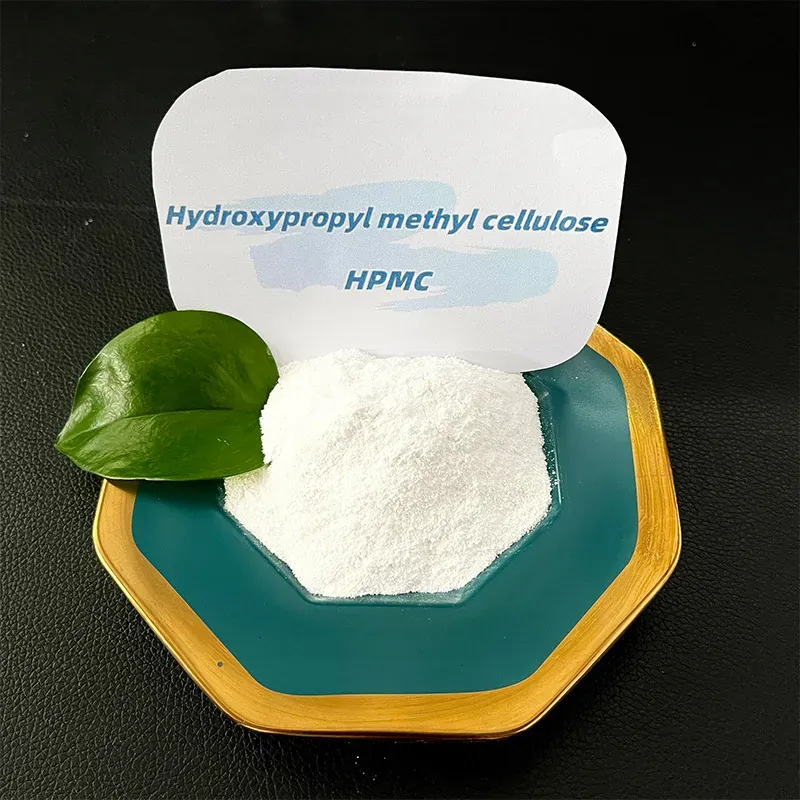

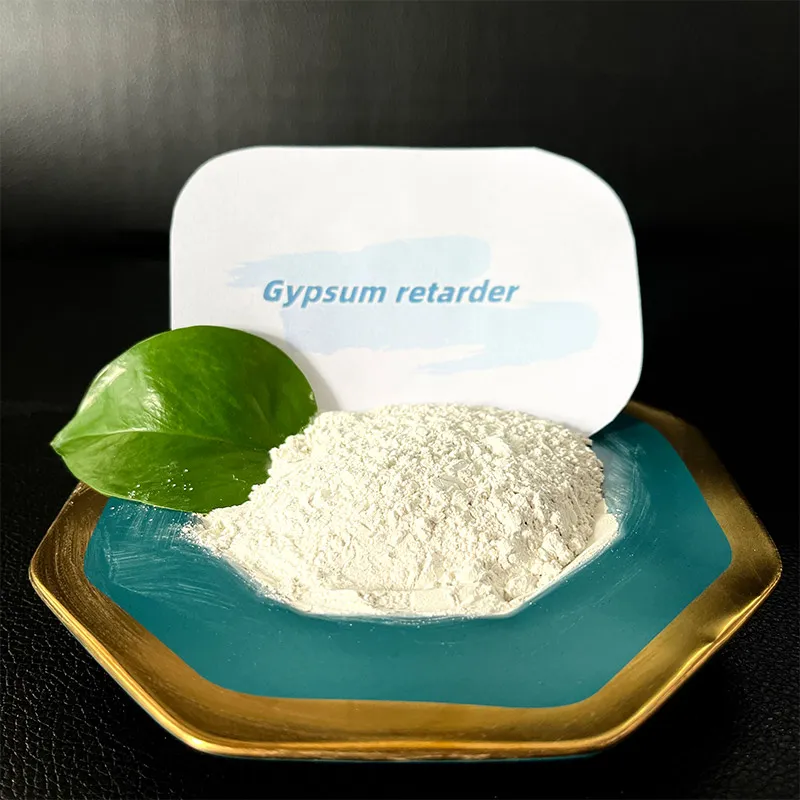


Polimer Un Taği Zamonaviy Texnologiyalar va Qishloq Xo‘jaligida Qo‘llanilishi Polimer un taği, zamonaviy materiallar muhitida muhim o‘rin tutadi. U polimerlarning mikroskopik qismlaridan tashkil topgan bo‘lib, ko‘plab sohalarda qo‘llaniladi, ayniqsa qishloq xo‘jaligida. Ushbu maqolada polimer un tağinin nimadan iboratligi, uning xususiyatlari va afzalliklari haqida so‘z yuritamiz. Polimer un taği, asosan, plastik materiallardan yaratiladi. Un taği sifatida qo‘llanilishidan maqsad, qishloq xo‘jaligida tuproqni yaxshilash, o‘simliklarni himoya qilish va yig‘im-terim jarayonlarini soddalashtirishdir. Bu materiallar nafaqat o‘simliklar uchun ozuqa manbai bo‘lib xizmat qiladi, balki tuproqning fizik va kimyoviy xususiyatlarini ham yaxshilaydi. . Bundan tashqari, polimer un taği tuproqni mahkamlaydi va uning strukturaviy yaxlitligini ta’minlaydi. Bu, o‘simliklarning ildiz tizimining yanada yaxshi rivojlanishiga yordam beradi. Tuproqning tuzilishi yaxshi bera olishi va havo almashinuvi yaxshi bo‘lishi natijasida, o‘simliklar sog‘lom va kuchli bo‘lib o‘sadi. полимер ұнтағы Polimer un taği, shuningdek, tuproqning kimyoviy xususiyatlarini yaxshilashda ham muhim rol o‘ynaydi. U tuproqdagi minerallarni va boshqa oziq moddalarni eng qiyin sharoitlarda ham saqlab qolish imkonini beradi. Natijada, o‘simliklar uchun zarur bo‘lgan ozuqa moddalarining samarali singishi ta’minlanadi. Qishloq xo‘jaligi sohasida polimer un tağini qo‘llash nafaqat o‘simliklarning samarali o‘sishini ta’minlaydi, balki bu jarayonni iqtisodiy jihatdan ham foydali qiladi. O‘simliklar yuqori hosil berishiga olib kelishi, fermerlar uchun moliyaviy jihatdan foydali bo‘ladi. Shuningdek, bu usul qishloq xo‘jaligida resurslarni tejashga yordam beradi, chunki suv va yeyish quvvatlari ancha samarali ishlatiladi. Shuni ta’kidlash kerakki, polimer un tağinin iste'moli va ishlatilishi ekologik jihatdan ham xavfsizdir. Tobora ko‘proq fermerlar va agronomlar bu materialni tanlaydilar, chunki u tuproqning ekotizimini buzmaydi va tabiatga zarar yetkazmaydi. Demak, polimer un taği nafaqat odamlar uchun, balki atrof-muhit uchun ham foydali materialdir. Xulosa qilib aytganda, polimer un taği zamonaviy qishloq xo‘jaligida juda muhim va foydali materialdir. Uning suvni ushlab turish, tuproqni yaxshilash va o‘simliklar hosilini oshirishdagi o‘rni har bir fermer va agronom uchun ahamiyatlidir. Polimer un tağini qo‘llash orqali qishloq xo‘jaligida samaradorlikni oshirish, istiqbolli kelajakni yaratish mumkin.
- 40000tons

Production
- 20+years

Experience
- 5000+㎡

Acreage

-

Low melt polyester staple fiber is carving out a critical niche across various industries due to its unique attributes and versatile applications. This high-performance fiber is revolutionizing the way manufacturers approach product development, blending exceptional functional properties with environmental benefits. Low melt polyester staple fiber (LMPSF) is engineered to combine superb thermal bonding capabilities with excellent mechanical strength . This fiber differs fundamentally from standard polyester fibers because its melting point allows it to integrate seamlessly into various nonwoven fabrics and textile composites. During manufacturing, these fibers are exposed to temperatures just high enough to melt them slightly, bonding the fibers together without compromising the structural integrity of the surrounding materials. This intrinsic bonding capacity makes LMPSF an ideal choice for industries focusing on sustainability and efficiency. One of the most compelling aspects of LMPSF is its significant contribution to eco-friendly manufacturing processes. As industries gravitate towards sustainable practices, LMPSF provides a solution that minimizes the need for chemical adhesives, thereby reducing airborne pollutants and the associated health risks during production. Additionally, these fibers contribute to energy savings by operating effectively at lower temperatures, decreasing the overall energy consumption of manufacturing systems. These eco-centric advantages make LMPSF an appealing choice for manufacturers committed to reducing their carbon footprint while maintaining product quality and performance. Moreover, LMPSF's versatility extends into a wide array of applications, serving sectors such as automotive, construction, hygiene products, and even fashion. In the automotive industry, for example, these fibers are used to produce lightweight yet durable interior components—enhancing fuel efficiency through weight reduction without sacrificing safety or aesthetic quality. The construction industry benefits from LMPSF through its usage in geotextiles, which provide erosion control and soil stabilization, offering increased longevity and reliability for infrastructure projects. From a technical perspective, the fiber's strong resistance to wear and environmental stressors makes it a preferred choice for high-demand applications. In hygiene product manufacturing, LMPSF is utilized in products like diapers and sanitary napkins, ensuring comfort and safety due to its hypoallergenic properties and non-toxic nature. Furthermore, the fashion industry leverages LMPSF in innovative ways—creating garments that are lightweight, breathable, and resistant to wrinkles, thus enhancing product durability and consumer satisfaction. low melt polyester staple fiber Expertise in handling LMPSF is crucial for manufacturers aiming to maximize its potential. Industry specialists, through rigorous testing and application trials, have established best practices to optimize the fiber's bonding properties and integrate it effectively into existing production lines. The development of sophisticated blending techniques ensures that products maintain a delicate balance between softness and structural integrity, which is pivotal in applications like upholstery and home textiles. In terms of authoritativeness, manufacturers and suppliers with extensive experience and strong track records in LMPSF production stand out. They invest in advanced research and development programs and adherence to stringent quality standards to continually enhance fiber performance. Such commitments to quality and innovation solidify their position as leaders within the industry, instilling confidence among their clients regarding the delivery of reliable and high-quality products. Trustworthiness in the industry is underscored by transparency and compliance with regulatory standards. Reputable suppliers of LMPSF not only comply with international safety and environmental regulations but also engage in voluntary certifications that highlight their dedication to sustainability and product excellence. This level of transparency ensures that clients receive products that are not only effective but ethical, reinforcing long-term business relationships built on trust. In conclusion, low melt polyester staple fiber is not merely a product; it represents a forward-thinking approach to manufacturing that aligns with contemporary demands for efficiency, sustainability, and high performance. By fostering innovation and adhering to the highest standards of quality, LMPSF continues to redefine industry benchmarks and spur significant advancements across multiple sectors, setting a precedent for future developments in fiber technology.
-
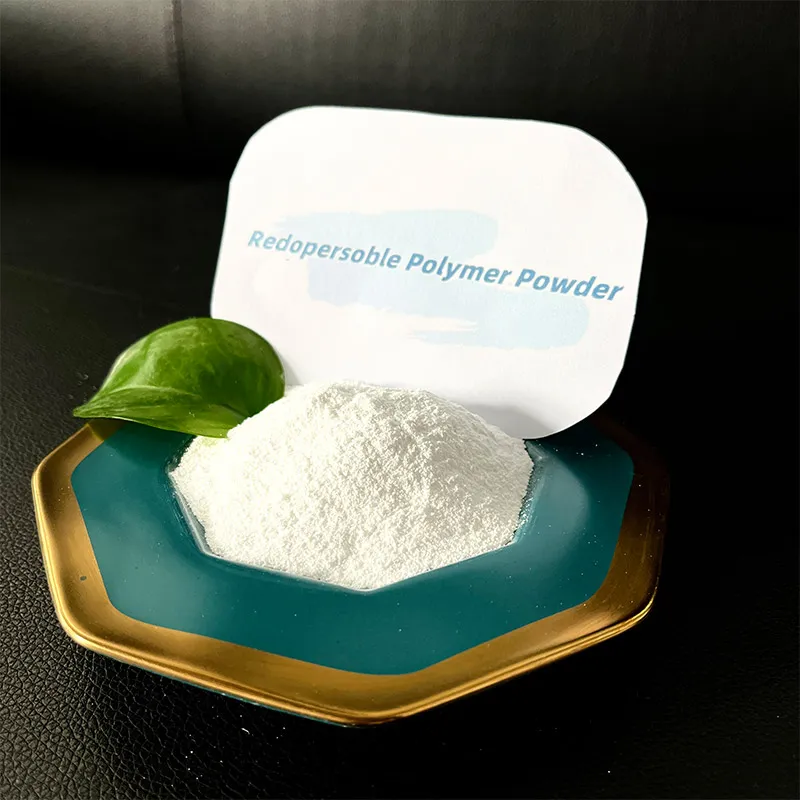
The HPMC Logo A Symbol of Innovation and Quality In today's dynamic world, a logo is more than just a collection of shapes and colors; it represents the identity and values of a brand. One such logo that encapsulates innovation and quality is the HPMC logo. HPMC, which stands for Hydroxypropyl Methylcellulose, is a material that has found its place in various industries, from pharmaceuticals to construction. The logo symbolizes not only the product but also the ethos of the company behind it. The HPMC logo is designed with careful consideration of its messaging. The choice of colors reflects both professionalism and reliability, with shades that evoke a sense of trustworthiness. Blue, often used in corporate branding, suggests stability and depth, while green resonates with health and sustainability. These colors work together to create a visual identity that appeals to both consumers and industry professionals. . The functional aspects of HPMC are also reflected in its logo. Known for its versatility, HPMC is widely used in applications such as adhesives, paints, and pharmaceuticals. The logo communicates this multi-faceted usage through its simple yet sophisticated design. The streamlined appearance suggests efficiency and performance—a nod to the product's ability to enhance formulations and provide superior results across diverse applications. hpmc logo Moreover, the HPMC logo signifies quality assurance. A well-designed logo helps to build consumer confidence, and HPMC’s branding does just that. When potential customers see the HPMC logo, they immediately associate it with high standards and consistent performance. This connection is built on years of reliable product performance and customer satisfaction. Thus, the logo acts as a promise of quality, assuring users that they are making a wise choice in selecting HPMC-based products. In addition to its visual elements, the HPMC logo embodies the brand's commitment to sustainability. In a world increasingly focused on environmental responsibility, the logo promotes the idea that HPMC products can help create sustainable solutions. The incorporation of green within the logo hints at the eco-friendly aspects of HPMC, highlighting that it is derived from naturally occurring cellulose. This reinforces the notion that consumers can choose products that are not only effective but also environmentally friendly. The HPMC logo also plays a vital role in brand recognition. In a cluttered marketplace filled with countless products, having a recognizable logo can set a brand apart from its competitors. When consumers see the HPMC logo, they know they are encountering a product with a solid reputation. This recognition is crucial, as it aids in developing brand loyalty and repeat business. A strong brand identity, as represented by the HPMC logo, is instrumental in sustaining long-term success. Moreover, the logo serves as a bridge between the company and its customers. It invites dialogue and engagement, making it easier for consumers to connect with the brand. Whether displayed on packaging, marketing materials, or promotional events, the HPMC logo fosters a sense of belonging among its users. It creates a community of like-minded individuals who value quality and innovation, further enhancing the brand’s reach. In conclusion, the HPMC logo is more than just a visual identifier; it is a powerful symbol that encapsulates the essence of the brand. It stands for innovation, quality, versatility, and sustainability. In an ever-evolving market, the HPMC logo serves as a beacon of trust and reliability, attracting consumers and businesses alike. As HPMC continues to grow and adapt to new challenges, its logo will undoubtedly remain a central part of its identity, representing a commitment to excellence and an unwavering dedication to its customers.
advantages
-

200000 Viscosities
Excellent product
We can produce pure products up to 200,000 viscosities
-

40000 tons
High yield
We don’t stop production all year round, and the annual output can reach 40,000 tons
-

24 hours
Quality service
We provide 24-hours online reception service, welcome to consult at any time
———— Inquiry Form
Schedule A services
-
 bei_ya_selulosi_ya_methyl_hydroxyethyl
Oct . 25, 2025
HPMC Dextran is the innovative addition to the pharmaceutical excipients' domain that is capturing s - harga_metilselulosa
Oct . 25, 2025
When delving into the world of hydroxypropyl methylcellulose (HPMC), understanding the various grade -
 powder_rubber
Oct . 25, 2025
When it comes to pharmaceutical excipients, one of the highly essential components is Hypromellose,


